


Step 1: preparation





Product to transform rust to a solid surface for further finishing with Hammerite Metallic paints and other most common paints.
Product to transform rust to a solid surface for further finishing with Hammerite Metallic paints and other most common paints.

Highly effective, protective primer for untreated and rusted metal indoors and outdoors.
Highly effective, protective primer for untreated and rusted metal indoors and outdoors.
Step 2: painting






ℹ️ Which paint to use?
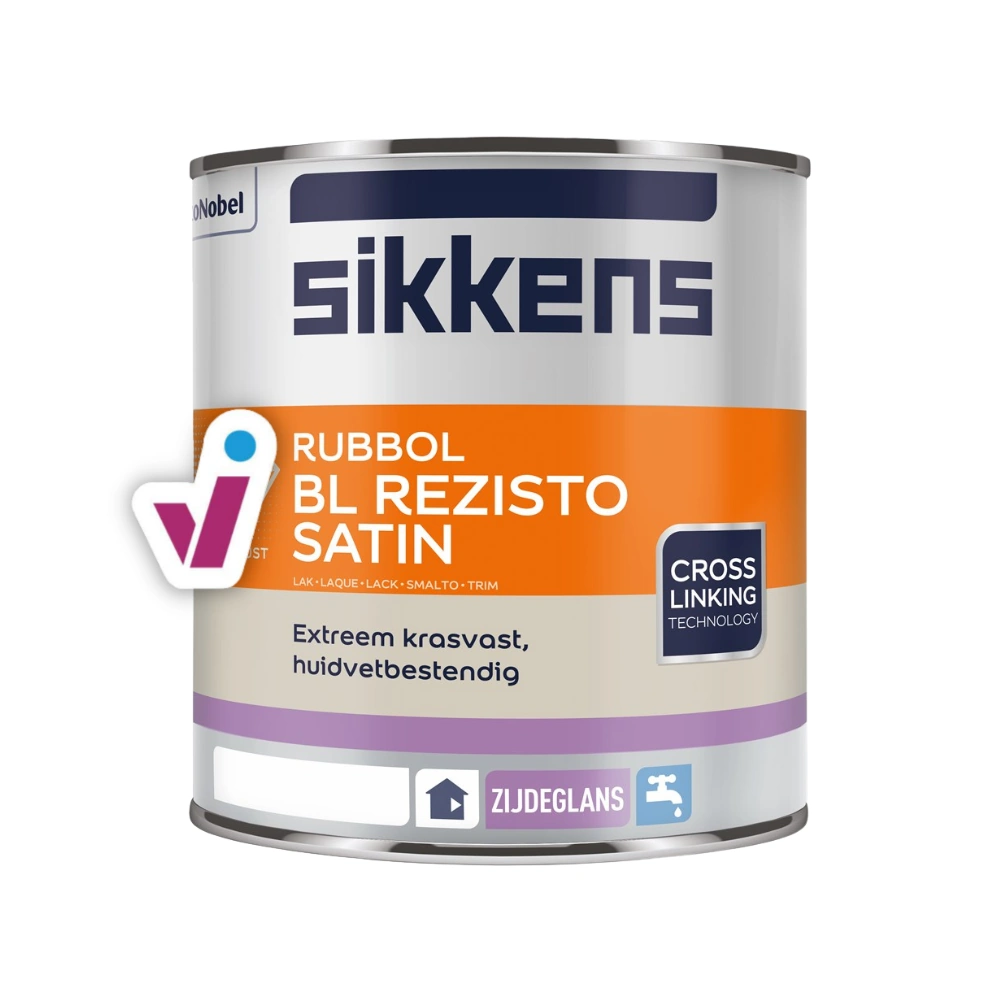
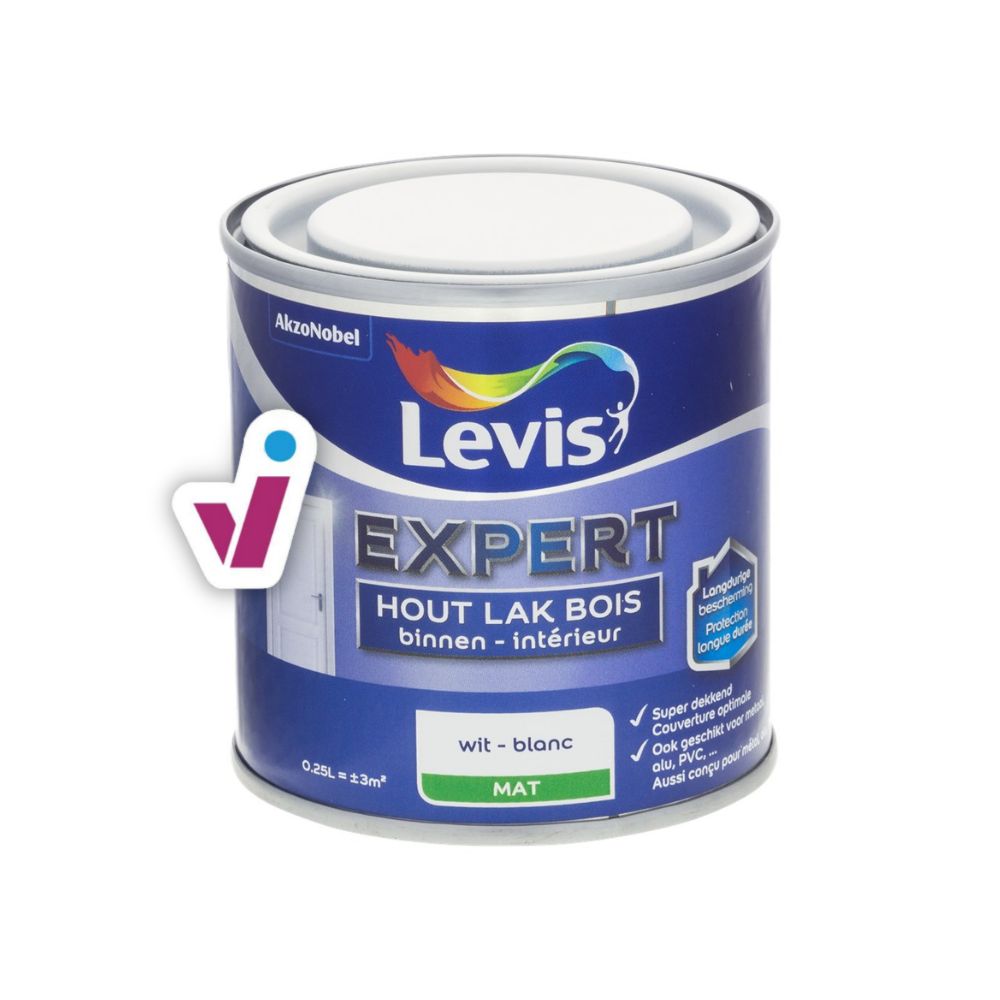
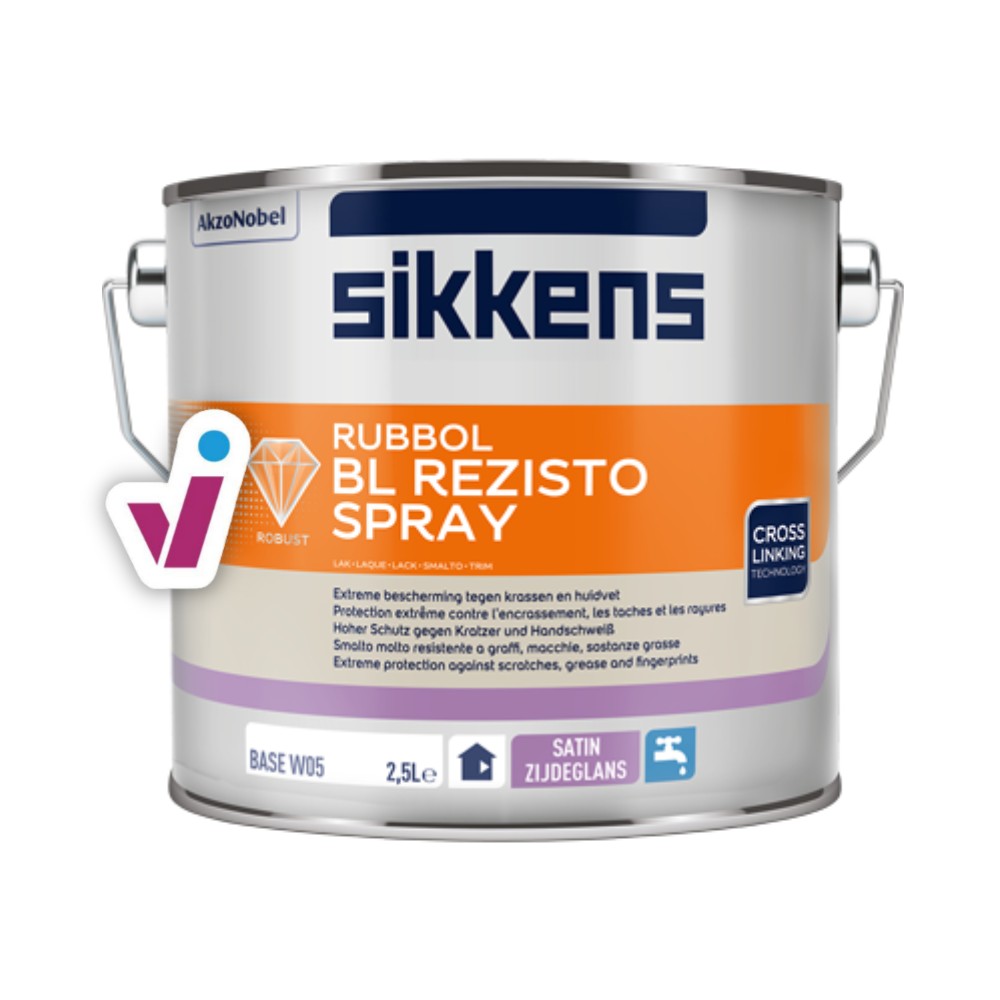
Choosing the right paint is essential when painting a radiator. It is important not to use an ordinary wall paint as it cannot withstand high temperatures. Wall paints are certainly not scratch-resistant enough to be used on a radiator either. That is, if they would adhere enough to stay on it at all.
Instead, you can use a special radiator paint, such as Hammerite radiator paint or the Levis radiator paint "Expert Ferro Radiator". Other heat-resistant paints are also an excellent choice.
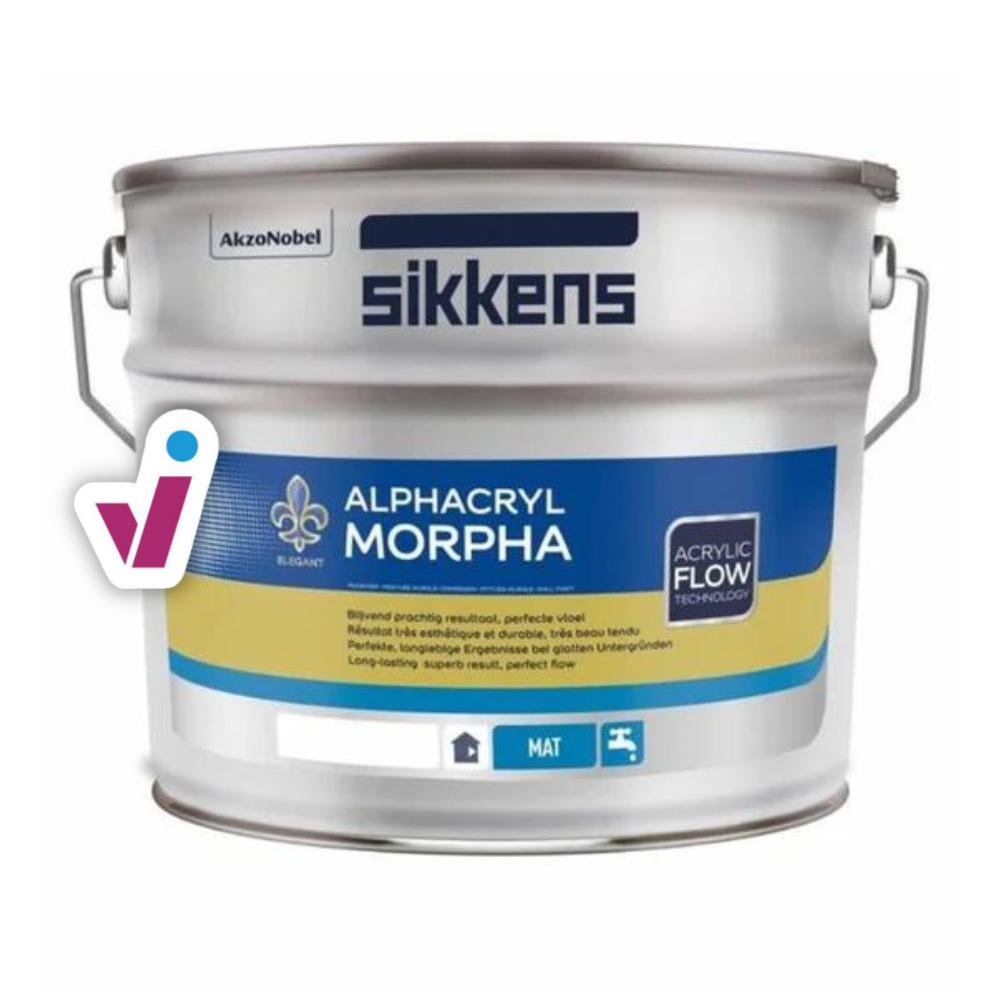
Another alternative are water-based lacquers, which offer more colour options and finishes. These lacquers do not have a strong odour and do not yellow, making them ideal for light colours. If you choose a water-based lacquer, it is very important to use a suitable primer for adhesion.
Step 3: around the radiator (optional)
You may need to freshen up around the radiator's surface as well. Unsightly heating pipes might spoil your beautiful, freshly painted radiator a bit.
If necessary, you can then choose to paint the radiator pipes as well. Make sure you use the right paint, i.e. paint suitable for the hot pipes.
Perhaps you also want to paint the wall behind the radiator. For example, you could include your radiator in an accent wall by painting the wall and the radiator the same colour. In that case, take a look at our step-by-step plan for painting walls.


High-quality and high-quality heat-resistant lacquer spray for treating treated and untreated substrates subjected to very high temperatures.
High-quality and high-quality heat-resistant lacquer spray for treating treated and untreated substrates subjected to very high temperatures.

Heat-resistant lacquer for treating treated and untreated substrates exposed to very high temperatures.
Heat-resistant lacquer for treating treated and untreated substrates exposed to very high temperatures.



Checklist
- Degrease and clean well
- Sand the radiator
- Apply the right primer
- Paint your radiator
- Optionally paint the surroundings


Need help?
If some of the steps aren't entirely clear to you, or if you are in a specific situation that isn't covered by our how-to guide, then our experts will be happy to help.
